

Maritime Market Update 2026
author: Ahmed Faras
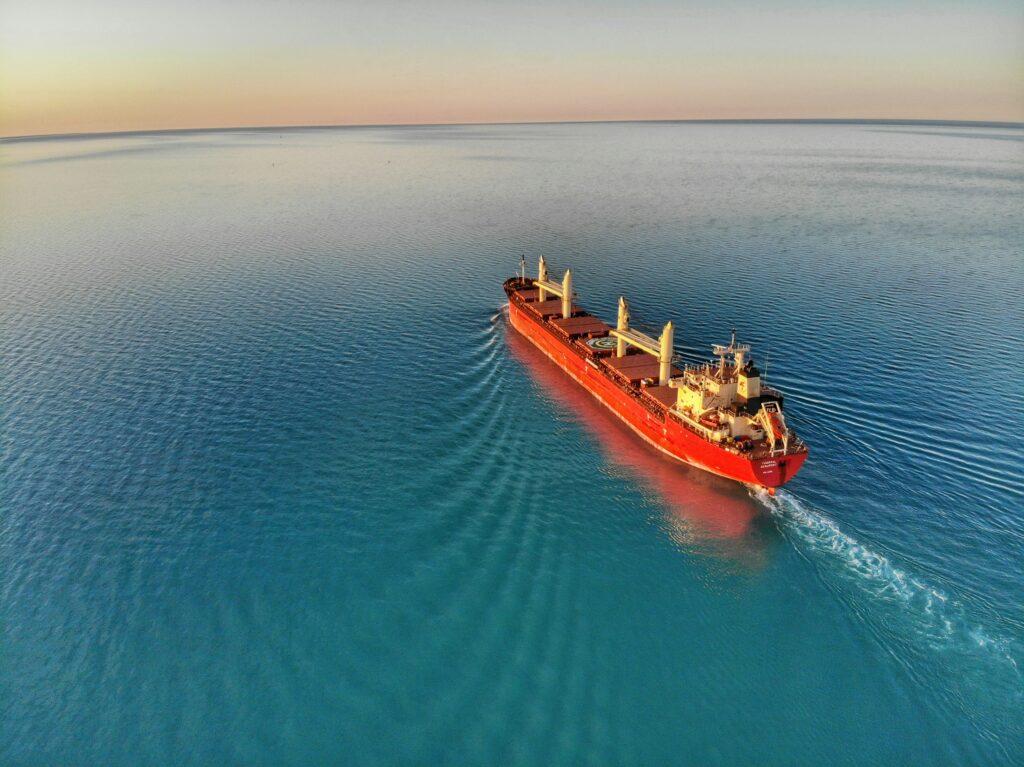
The maritime transportation and logistics landscape in 2026 is a study in adaptation. While the acute shocks of the pandemic era have faded, the industry is now navigating a complex confluence of geopolitical friction, technological transformation, and the accelerating pressure of decarbonization. This triad of forces is reshaping shipping chartering strategies and market dynamics in profound ways.
The Freight Market: A Fragmented Equilibrium
After the extreme volatility of the early 2020s, freight rates have largely normalized but at levels structurally higher than pre-2020 benchmarks. This “new normal” is underpinned by persistent inefficiencies.
· Geographical Diversification: The ongoing reconfiguration of global supply chains, driven by nearshoring/friendshoring initiatives, has altered traditional trade lanes. Volumes from Southeast Asia to the U.S. Gulf and East Coast remain robust, while intra-Asian and Middle East-Asia routes see elevated activity. This dispersion has created a more fragmented but busy chartering environment, supporting steady demand across vessel classes.
· Port Congestion & New Bottlenecks: While historic backlogs have cleared, systemic challenges persist. Labor negotiations, climate-related port disruptions (e.g., low water levels in key canals), and the logistical complexity of handling new green fuels create sporadic, regional bottlenecks. This injects a layer of volatility, offering spot market opportunities but demanding greater operational agility from charterers.
Chartering in the Energy Transition Era
The IMO’s tightened 2026 carbon intensity standards (CII) are no longer a future threat but a present-day operational reality. This is fundamentally altering chartering decisions.
· The “Green Premium”: A distinct two-tier market has emerged. Modern, fuel-efficient vessels (LNG dual-fuel, methanol-ready, or equipped with advanced energy efficiency technologies) command significant rate premiums and are favored on long-term period charters by environmentally conscious cargo owners. Older, less efficient tonnage faces rising operational costs (via emissions trading scheme charges) and is increasingly relegated to shorter, secondary voyages.
· Fuel Uncertainty & Contract Innovation: With multiple fuel pathways (biofuels, LNG, methanol, ammonia) under development, time charter parties have become more complex. Clauses addressing fuel specification, emissions liability, and retrofitting obligations are now standard. Charterers are balancing flexibility with commitment, often opting for shorter periods or options-linked contracts amid the technological uncertainty.
· The Speed Paradox: Slow steaming remains the dominant tool for compliance, directly impacting voyage calculations and effective fleet capacity. Charterers must now factor in “CII speed” as a key variable alongside traditional cost and time metrics.
Sector-Specific Highlights
· Containers: The sector has settled into rational competition post-consolidation. Charter rates for mid-sized and feeder vessels remain firm, driven by the geographical trade dispersion. The focus is on securing vessels with clear emissions profiles to meet shippers’ Scope 3 targets.
· Bulk: Dry bulk faces a patchy demand picture tied to the green industrial shift. While coal transport has plateaued, shipments of grains (climate-volatile yields) and key minerals like lithium and copper for electrification are growth areas. The Capesize market remains sensitive to Chinese industrial policy.
· Tankers: The product tanker market continues to benefit from elongated trade routes due to geopolitical realignments. Crude tanker earnings are supported by disciplined OPEC+ output management and strategic stockpiling. Charterers are heavily scrutinizing vessel age and efficiency due to high bunker costs.
Technology & Transparency Imperative
Digitalization is now a core chartering tool. AI-powered platforms are standard for predicting port congestion, optimizing voyage efficiency for CII compliance, and benchmarking emissions. The ability to access and verify real-time emissions data is as crucial as knowing a vessel’s position, influencing fixture negotiations and partner selection.
Outlook: Preparing for the Next Wave
The remainder of 2026 will be defined by preparation for the 2027 inclusion of shipping in the EU Emissions Trading System (ETS) and the development of a global carbon levy. Charterers are building internal carbon pricing models, and owners are finalizing fleet upgrade decisions.
Conclusion: Success in 2026’s maritime market hinges on strategic foresight and operational flexibility. The era of simple cost-based chartering is over. Winning players are those who integrate carbon costs, fuel transition risks, and geopolitical agility into their core logistics planning, viewing vessels not just as cargo carriers, but as compliant, data-rich assets in a rapidly evolving global ecosystem. The waters are uncharted, but for the prepared, they remain navigable.